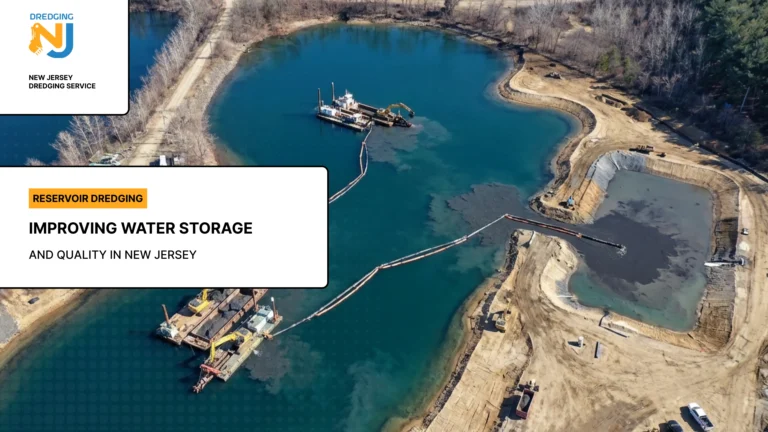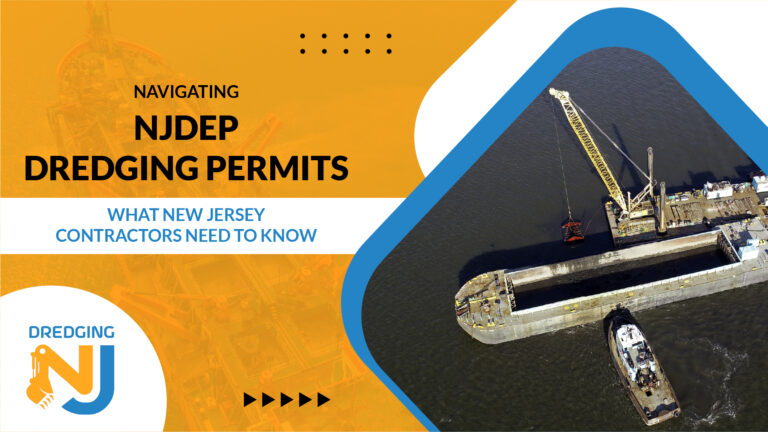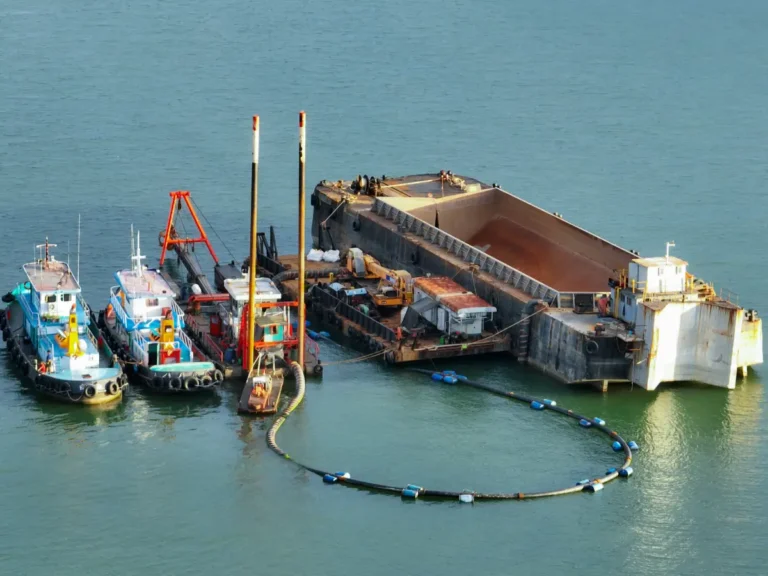

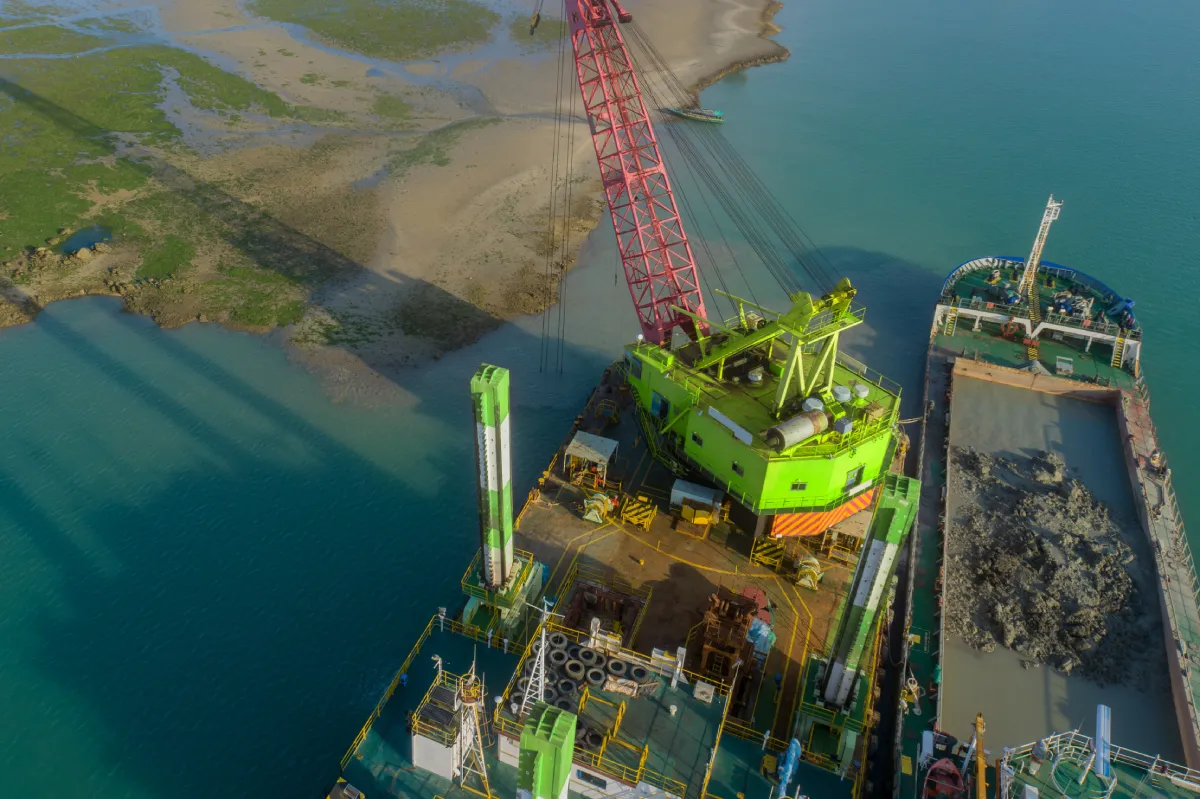
Industrial lagoons play a critical role in wastewater treatment, stormwater management, and process water retention across manufacturing, chemical, and agricultural facilities. However, over time, sediment accumulation reduces lagoon capacity, disrupts treatment efficiency, and increases the risk of environmental non-compliance. Effective industrial lagoon sediment removal is no longer just a corrective measure—it is an essential maintenance strategy that involves monitoring, dredging, dewatering, and long-term planning. Understanding how sediment builds up, recognizing early warning signs, and implementing the right dredging techniques helps industries maintain lagoon performance while minimizing operational downtime and regulatory liabilities.
Understanding Sediment Build-Up in Industrial Lagoons
Sediment accumulation in industrial lagoons is an inevitable process that, if left unmanaged, affects treatment efficiency, storage capacity, and compliance. Effective industrial lagoon sediment removal begins with understanding how sediment forms and why it varies across different facilities. Most build-up results from a combination of industrial discharge, biological sludge from treatment processes, stormwater carrying silt and debris, and chemical reactions that cause solids to precipitate. Over time, these layers compact, making lagoon sediment removal more complex and costly if not addressed early.
Not all sediments are the same, which is why lagoon dredging requires a strategic approach. Sediments typically fall into two categories—organic and inorganic. Organic materials come from biological waste, algae, and decomposed matter, while inorganic sediments include sand, grit, minerals, and industrial by-products. In many industrial sites, lagoons also trap heavy metals, chemical residues, and hydrocarbon contaminants. These elements not only affect the thickness and density of sludge but also dictate how it must be handled, treated, and disposed of.
Understanding sediment characteristics is essential because it directly influences lagoon dredging methodology, equipment selection, and overall project cost. Lightweight organic sludge may be removed using hydraulic dredging, whereas dense, abrasive, or contaminated material may require mechanical excavation, dewatering systems, or specialized containment. As sediment continues to accumulate, choosing the right strategy becomes critical for sustainability, cost control, and environmental safety, leading to the next stage of lagoon maintenance planning.
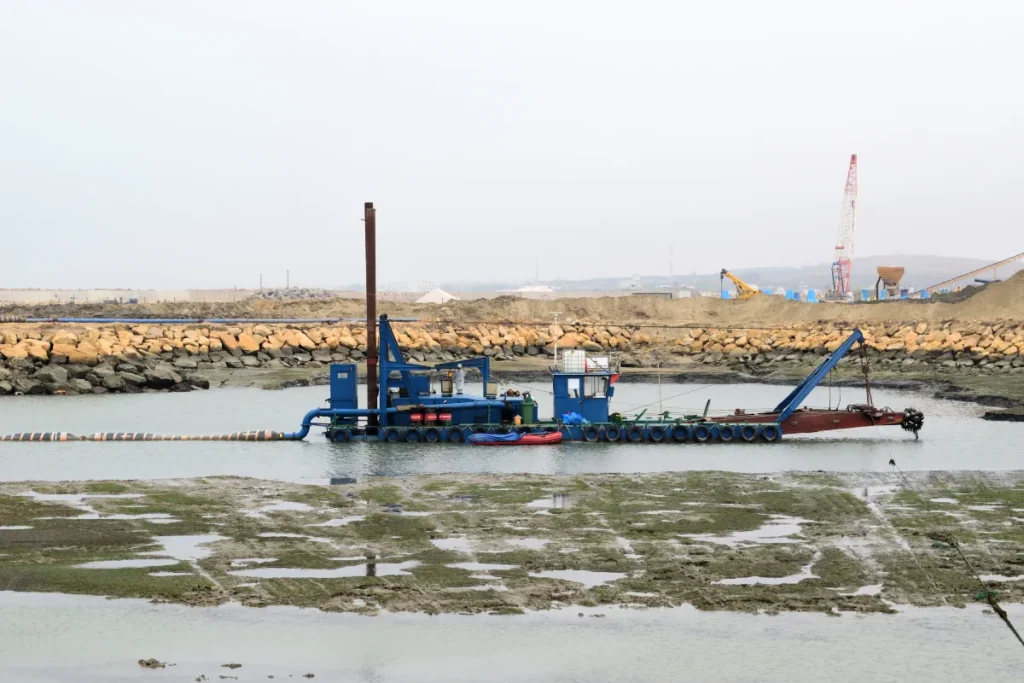
Signs That Lagoon Sediment Removal Is Overdue
1. Reduced Lagoon Capacity and Overflow Risks
When sediment builds up, it reduces the lagoon’s depth and overall storage volume. This becomes especially problematic during storm events or high inflow periods.
- Water levels rise faster than usual.
- Overflow during rainfall or seasonal flooding
- Emergency pumping becomes a frequent requirement.
2. Slower Wastewater Treatment and Poor Retention Times
Lagoon performance depends on sufficient retention time for solids to settle and biological treatment to occur. Sediment reduces this capacity, leading to:
- Incomplete treatment and higher turbidity
- Reduced settling of solids and suspended particles
- Increased load on secondary or downstream treatment systems
3. Odor, Algae Blooms, and Anaerobic Conditions
Organic sediment traps nutrients and restricts oxygen flow, shifting the lagoon into unhealthy conditions.
- Foul hydrogen sulfide or septic odors
- Excessive algae due to nutrient-rich sludge
- Formation of black, anaerobic sludge layers with methane buildup
4. Rising Costs and Compliance Pressure
When lagoon sediment removal is delayed, maintenance becomes reactive rather than preventive.
- Frequent pump or aerator breakdowns
- Higher fuel and energy use due to equipment strain
- Regulatory warnings, fines, or mandatory dredging notices
Recognizing these warning signs early helps facilities shift from emergency intervention to planned maintenance. This ensures smoother lagoon operations and forms the foundation for long-term sediment removal strategies.
Traditional vs. Modern Lagoon Dredging Methods
Choosing the right dredging strategy is one of the most critical decisions in industrial lagoon sediment removal. Over time, dredging methods have evolved from manual, labor-heavy practices to advanced hydraulic and automated systems designed to minimize downtime and environmental disruption.
Traditional Techniques
Earlier lagoon sediment removal relied heavily on draining the lagoon and manually removing sludge using excavators or heavy machinery.
Common Traditional Methods:
- Manual Excavation – Draining the lagoon and removing sludge using excavators, loaders, or manual labor.
- Dry Dredging – Water is completely removed before dredging, allowing machines to operate on solid ground.
Pros:
- Direct access to compacted or heavy sediment
- Suitable for lagoons with extremely dense or debris-filled sludge
- Simple equipment requirements
Cons:
- Total system shutdown—cannot maintain lagoon operations during dredging
- High labor demand and safety risks due to working in confined, muddy conditions
- Environmental risk from disturbing sludge layers and releasing contaminants
- Extended downtime and high reinstatement costs
Modern Lagoon Dredging Technologies
Modern lagoon dredging focuses on maintaining operations while efficiently removing sediment with minimal disruption.
1. Hydraulic Dredging

- Uses high-powered dredge pumps to convert sludge into slurry and transport it via pipelines.
- Ideal for continuous industrial lagoon sediment removal without draining the lagoon.
2. Remote-Operated and Cutterhead Dredge Systems
- Radio-controlled or GPS-guided dredges work from the surface.
- Cutterheads break compacted sediment, making removal faster and safer.
3. Mechanical Agitation + Slurry Pump Systems
- Agitators resuspend sludge while submersible slurry pumps extract it.
- Suitable for lagoons with silt, biosludge, and mixed industrial waste.
4. Geotextile Dewatering Tubes
- Slurry is pumped into geotextile bags where water drains out and solids remain.
- Cost-effective, low-footprint solution for sludge drying and disposal.
Traditional vs. Modern Methods: A Practical Comparison
| Factor | Traditional Methods | Modern Dredging Technologies |
| Efficiency | Slow, labor-intensive | Faster, continuous sediment removal |
| Downtime | Requires lagoon shutdown | Can operate with the lagoon in service |
| Safety | Higher risk of manual exposure to sludge | Remote-operated and automated systems reduce risk |
| Environmental Impact | High turbidity and disturbance | Controlled dredging, minimal sediment resuspension |
| Cost Over Time | Higher long-term costs due to restoration and downtime | Higher initial investment but lower lifecycle cost |
Modern lagoon dredging techniques clearly outperform traditional methods in terms of sustainability, operational continuity, and cost-efficiency. The key is selecting the right method based on sediment type, lagoon design, and regulatory requirements—an important step that directly influences long-term maintenance and performance.
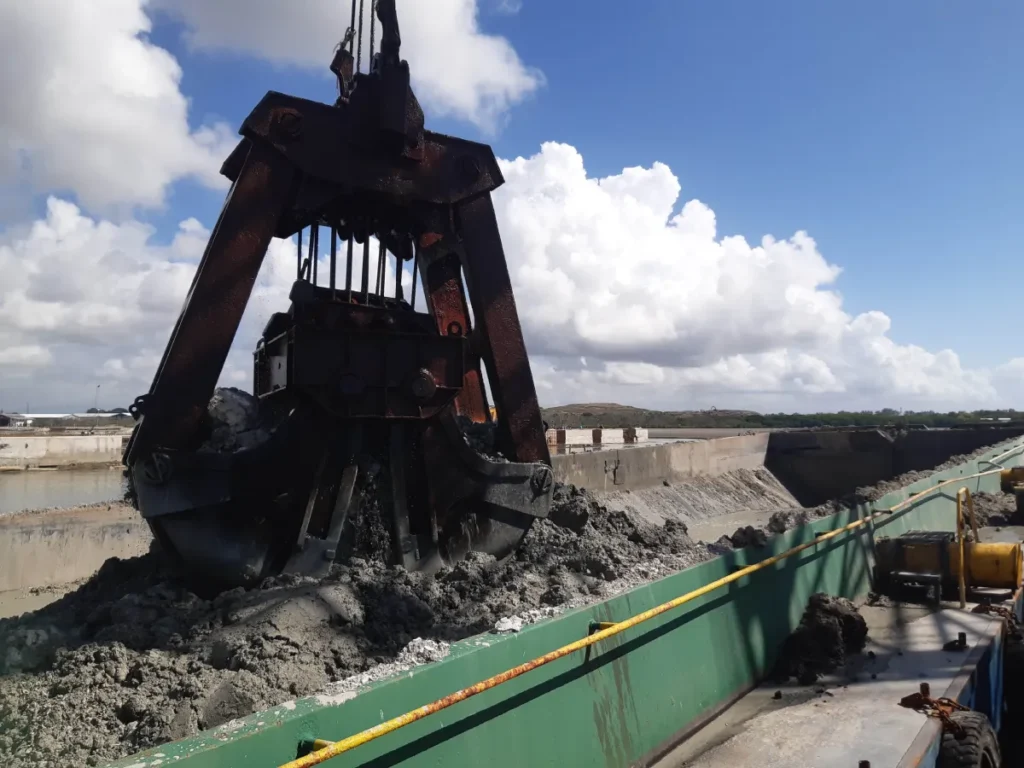
Preventive Maintenance Strategies for Industrial Lagoon Sediment Removal
Preventive maintenance is the most cost-effective approach to managing lagoon performance and avoiding emergency dredging. Rather than waiting for sludge to accumulate to critical levels, industries are adopting proactive industrial lagoon sediment removal strategies that focus on monitoring, optimizing flow, and reducing sludge generation at the source.
Routine Sediment Monitoring & Sediment Profiling
Consistent observation and documentation of sludge accumulation are the first steps in preventive lagoon maintenance.
Methods commonly used include:
- Sediment Depth Checks: Using sludge judges or sonar-based tools to measure depth variations.
- Core Sampling: Extracting vertical sediment samples to analyze thickness, density, and contaminants.
- Drone-Based Surveys: High-resolution aerial mapping and thermal imaging to detect uneven sediment build-up and vegetation growth.
These insights help determine when industrial lagoon sediment removal should be scheduled, reduce guesswork, and prevent sudden operational shutdowns.
Flow Optimization
Poor hydraulic flow inside lagoons causes sediments to settle unevenly, creating dead zones where sludge accumulates rapidly.
Optimization strategies include:
- Redesigning inlet and outlet placements to distribute flow evenly.
- Adding deflectors or directional flow piping to reduce stagnation.
- Ensuring constant velocity to prevent suspended solids from settling prematurely.
By improving flow efficiency, lagoon sediment removal cycles can be delayed and treatment efficiency maintained.
Use of Baffles and Aeration Systems
Baffles and aerators are widely used to improve water circulation, oxygen distribution, and sludge decomposition.
Benefits include:
- Baffles: Force water to move in a longer path, increasing retention time and reducing short-circuiting.
- Aeration Systems: Introduce oxygen to support aerobic bacteria, preventing anaerobic sludge and odor issues.
- Fine bubble diffusers and surface aerators also help break down organic matter before it settles.
Biological Additives to Reduce Organic Sludge Formation
In lagoons with high organic loads, biological treatment can significantly minimize sludge buildup.
- Specialized enzymes and microbial cultures break down organic solids into simpler compounds.
- Reduces the thickness of sludge layers and improves water clarity.
- Works best when combined with aeration and regular monitoring.
Implementing these preventive strategies not only extends the time between industrial lagoon sediment removal cycles but also reduces overall costs and improves lagoon stability. The next step involves planning a structured sediment removal cycle based on data, compliance, and operational demands.
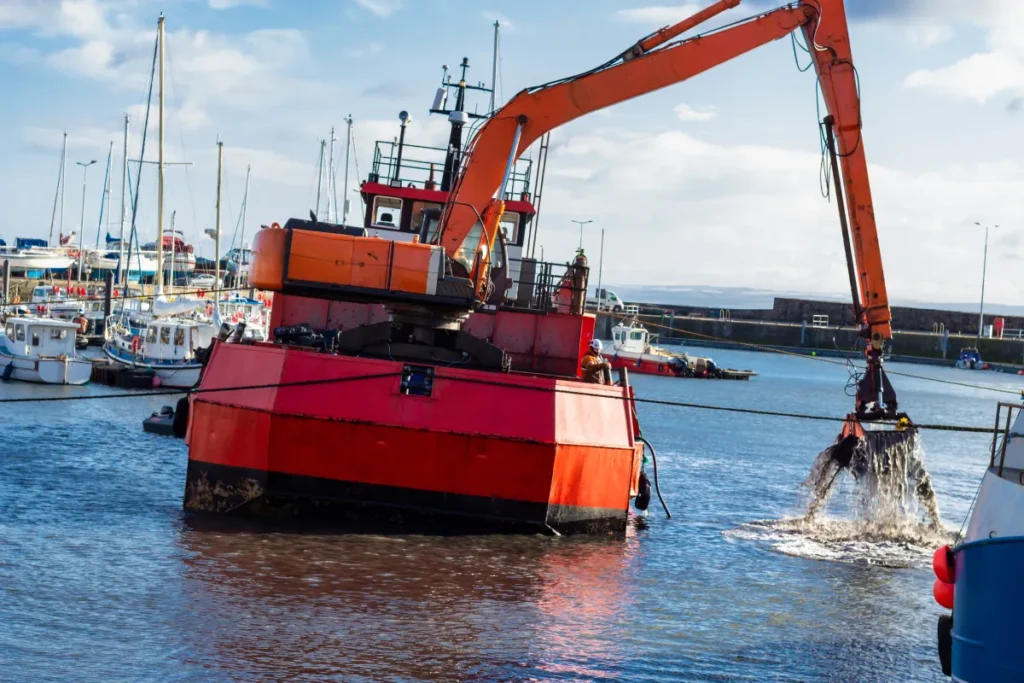
Planning a Sediment Removal Cycle: From Data to Execution
A well-planned industrial lagoon sediment removal cycle is essential for efficient industrial lagoon sediment removal. Rather than reacting to sludge build-up, facilities can minimize downtime and costs by following a structured process—from data collection to execution. This approach ensures that lagoon dredging is safe, compliant, and coordinated with daily operations.
Assessment & Sampling
The first step in planning lagoon sediment removal is understanding the extent and nature of the sludge.
Key activities include:
- Sediment Volume Calculations: Measuring lagoon dimensions and sludge depth to estimate total material to be removed.
- Core Sampling: Extracting layered sludge samples to determine density, moisture content, and compaction levels.
- Pollutant Concentration Analysis: Testing for heavy metals, hydrocarbons, chemical residues, and pathogens to decide if sediment is hazardous or reusable.
These findings guide the selection of dredging methods, disposal options, and safety protocols.
Selecting the Right Lagoon Dredging Approach
Different lagoon conditions demand different industrial lagoon sediment removal strategies. Choosing the wrong method can lead to equipment failure, environmental issues, or unnecessary expenses.
Selection criteria include:
- Lagoon size, depth, and accessibility
- Type of sediment—organic sludge, sand, chemical waste, or heavy solids
- Operational constraints—whether the lagoon can be temporarily shut down or must remain active
- Availability of hydraulic vs mechanical dredging equipment
Hydraulic dredging may be suitable for lagoons that need continuous operation, while mechanical methods are better for dense or debris-laden sediment.
Permits, Compliance, and Environmental Regulations
Before any dredging begins, compliance with regulatory bodies is mandatory.
Typical requirements include:
- EPA and Local Water Authority Permits: Approval for sludge removal, water discharge, and sediment handling.
- Sludge Disposal Regulations: Documentation of transportation, landfill approval, or land-application permits.
- Environmental Protection Measures: Turbidity controls, spill prevention, wildlife protection zones, and sediment testing reports.
Failure to comply can result in delays, fines, or shutdown orders.
Scheduling & Minimizing Downtime
To ensure lagoon operations continue smoothly, scheduling must balance productivity and sediment removal.
Strategies to reduce disruption:
- Phased Dredging: Cleaning sections one at a time rather than shutting down the entire lagoon.
- Bypass Systems: Temporary piping systems that reroute wastewater while dredging takes place.
- Temporary Holding Ponds or Tanks: Used when sludge processing, drying, or storage is needed off-site.
Proper coordination between maintenance teams, contractors, and plant operations ensures productivity is maintained throughout the dredging cycle.
This structured planning lays the groundwork for successful sediment removal and leads naturally into the next stage—handling, dewatering, and disposal of dredged material.
Dewatering and Disposal of Dredged Sediment
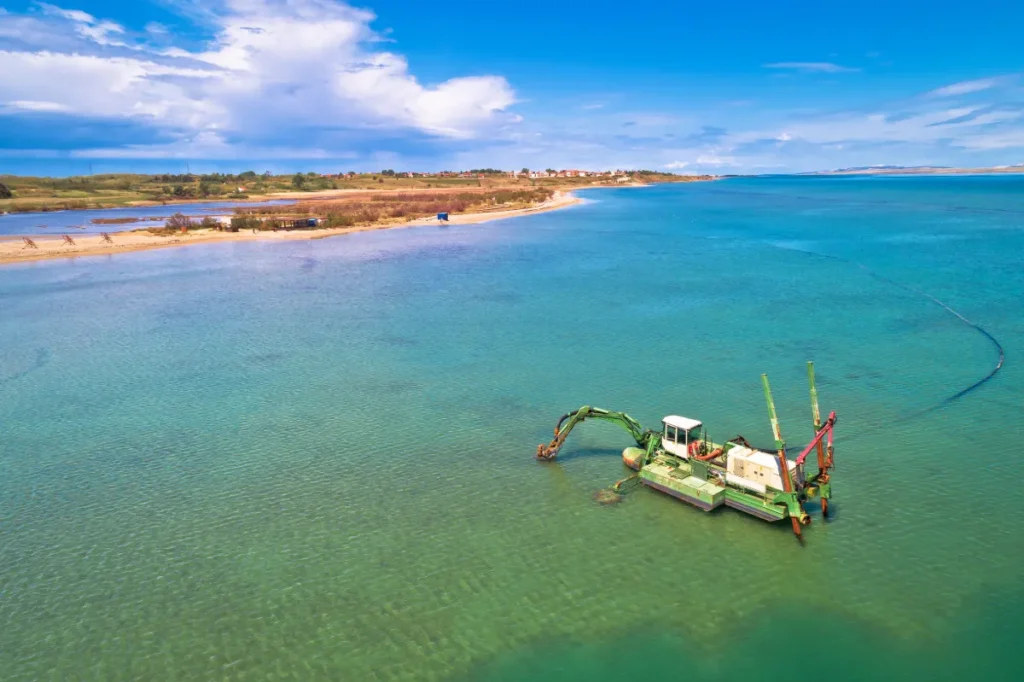
Once sediment is removed from an industrial lagoon, the next challenge is handling, drying, and disposing of it in an efficient and compliant way. Proper dewatering not only reduces volume and transportation costs but also determines whether the material can be reused or must be treated as hazardous waste. This stage is a crucial link between lagoon dredging and sustainable waste management practices.
On-Site Dewatering Techniques
Dewatering is essential to convert high-water-content sludge into manageable solids.
Common on-site dewatering methods include:
- Geotextile Tubes (Geo-bags):
Slurry is pumped into large geotextile bags that allow water to drain out while retaining solids. Ideal for large volumes and minimal land disturbance. - Centrifuges and Belt Filter Presses:
These mechanical systems use high-speed rotation or pressure to separate water from solids. They offer faster results but require a power supply and operational expertise. - Drying Beds and Solar Evaporation Ponds:
Sludge is spread in open beds where it dries naturally under sunlight and wind. This low-cost method is suitable for warm climates and non-toxic sediments.
Off-Site vs. On-Site Reuse
Not all dredged material needs to be disposed of—clean sediment can often be repurposed.
Potential reuse applications include:
- Land Reclamation and Landscaping: When sediment contains low contaminants and meets soil standards.
- Agriculture and Soil Conditioning: Organic-rich sludge can be used as a soil enhancer after stabilization.
- Landfill Daily Cover: Dredged material can reduce landfill soil consumption if approved by regulatory bodies.
However, if sediment contains pollutants or industrial chemicals, it must be stabilized or treated before reuse. In such cases, off-site transport to licensed disposal or treatment facilities is necessary.
Handling Contaminated Sediment
Industrial lagoons often accumulate hazardous waste that cannot be directly reused or landfilled.
Safe disposal protocols include:
- Testing for Heavy Metals and Chemical Residues: Sediments are analyzed for contaminants like lead, arsenic, hydrocarbons, and industrial solvents.
- Solidification/Stabilization: Mixing sludge with cement, lime, or binding agents to reduce leaching potential.
- Secure Landfill Disposal: Transporting solidified or treated sludge to regulated hazardous waste landfills.
- Thermal or Chemical Treatment (If Required): For highly toxic sludge or materials containing hydrocarbons and VOCs.
Proper documentation, manifests, and compliance with EPA and local environmental laws are mandatory throughout the disposal process.
Cost-Effective Lagoon Sediment Removal: Budgeting and Optimization Tips
Cost is a significant concern when planning industrial lagoon sediment removal, particularly for large facilities that handle high sludge volumes. However, with proper planning and the right technologies, lagoon dredging can be executed efficiently without exceeding budget limits. Understanding the key cost drivers and adopting preventive strategies can reduce both immediate and long-term expenses.
Factors That Influence Project Cost
Several variables determine the overall cost of lagoon sediment removal. Identifying these early helps in accurate budgeting and contractor selection.
- Lagoon Size and Depth: Larger or deeper lagoons require more equipment, longer dredging time, and higher fuel consumption.
- Sediment Volume and Type: Dense, abrasive, or contaminated sludge requires specialized dredging tools and disposal methods.
- Disposal Logistics: Transportation, landfill fees, or processing costs significantly impact total expenses.
- Regulatory Testing and Compliance: Laboratory analysis for heavy metals, chemical residues, and water quality adds to preliminary costs.
Reducing Costs Through Smarter Strategies
Adopting efficient workflows and technology helps industrial facilities save on operational and disposal costs.
- Real-Time Sediment Monitoring: Using sonar, drones, or sensor-based systems to track sludge depth and only dredge when necessary.
- Modular Dredging Systems: Portable, scalable equipment that can be deployed in phases—ideal for minimizing shutdowns.
- Renting vs Owning Equipment: Renting hydraulic dredges or slurry pumps is often more economical for occasional dredging, while heavy users benefit from ownership.
- Dewatering On-Site: Techniques such as geotextile tubes and centrifuges reduce transportation volume and landfill fees.
How Regular Maintenance Reduces Emergency Dredging Expenses
Routine lagoon sediment removal, even on a smaller scale, prevents major operational and financial disruptions.
- Avoids full lagoon shutdowns and emergency contractor fees
- Reduces wear and tear on pumps, aerators, and piping systems
- Minimizes regulatory penalties and environmental liability
- Ensures predictable budgeting instead of sudden capital expenditures
By shifting from reactive dredging to preventive maintenance, facilities gain better control over costs and extend the lifespan of lagoon infrastructure.
Technology and Innovation in Industrial Lagoon Sediment Removal
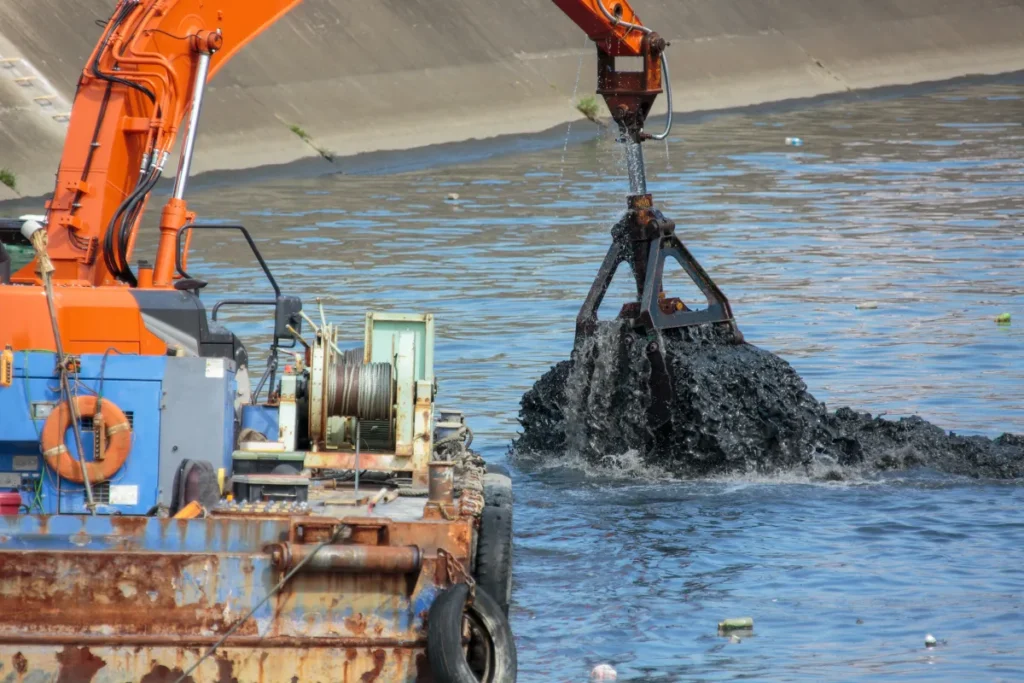
Modern technology is transforming how industrial lagoon sediment removal is planned, executed, and monitored. Instead of relying solely on manual inspections and reactive maintenance, industries are now using smart systems that predict sludge buildup, automate dredging, and reduce environmental impact. These innovations not only improve efficiency but also support sustainability and regulatory compliance.
Real-Time Monitoring Sensors and SCADA Integration
Monitoring lagoon sediment levels no longer requires manual sampling alone. Advanced sensors and digital platforms are improving visibility and decision-making.
- Ultrasonic and sonar-based sediment sensors measure sludge depth continuously.
- SCADA (Supervisory Control and Data Acquisition) systems display real-time lagoon data—flow rates, dissolved oxygen, turbidity, and sludge levels.
- Remote dashboards and alerts notify operators when sediment reaches critical thresholds, helping schedule dredging before it becomes urgent.
Autonomous Dredging Systems and AI-Driven Sludge Management
Automation is reducing labor dependence and enhancing accuracy in lagoon dredging.
- Autonomous or remote-controlled dredging robots perform sediment removal without draining lagoons or halting operations.
- GPS-guided cutterhead dredgers ensure precision and uniform depth control.
- AI-based sludge management systems analyze historical and live data to optimize dredging routes, pump speeds, and discharge volumes.
Eco-Friendly Lagoon Dredging Techniques
Sustainability is now a core focus in industrial lagoon sediment removal. New technologies aim to reduce turbidity, contain pollutants, and prevent ecosystem disruption.
- Low-turbidity slurry pumps remove sludge while minimizing water disturbance and sediment resuspension.
- Sealed discharge systems and floating pipeline containment prevent leaks and protect surrounding soil and waterways.
- Solar-powered or electric dredging units reduce fuel consumption and emissions.
Predictive Analytics for Sediment Accumulation Patterns
Instead of reacting to sludge buildup, predictive tools help anticipate when and where sediment will accumulate.
- Historical dredging data and flow models are used to forecast sludge movement and deposition rates.
- AI and machine learning algorithms identify sediment “hotspots” before they affect capacity or water quality.
- Helps industrial facilities plan budgets, schedule maintenance, and avoid emergency dredging events.
By integrating technology into industrial lagoon sediment removal, companies can achieve cleaner operations, lower costs, and long-term sustainability. These innovations pave the way for more intelligent and proactive lagoon maintenance strategies.
Long-Term Maintenance Plan for Industrial Lagoons
A structured long-term maintenance plan ensures that industrial lagoons operate efficiently, remain compliant, and avoid costly emergency dredging. Instead of treating industrial lagoon sediment removal as a one-time activity, facilities should integrate it into an ongoing maintenance cycle that includes inspections, documentation, and proactive planning. This approach extends the lagoon’s lifespan and reduces operational risks.
Annual Maintenance Checklist
Regular inspections help detect issues early and determine when lagoon sediment removal or dredging is required.
Key annual activities include:
- Sediment Depth Surveys: Using sonar, sludge judges, or drone-based mapping to measure sludge accumulation and identify hotspots.
- Pump and Equipment Calibration: Verifying the accuracy of slurry pumps, flow meters, and valves to maintain dredging efficiency.
- Aeration System Checks: Ensuring blowers, diffusers, and surface aerators deliver sufficient oxygen to prevent anaerobic sludge and odor.
Preventive vs Reactive Dredging
Understanding the difference between scheduled maintenance and emergency response is critical.
- Preventive Dredging: Planned removal of sediment at set intervals based on monitoring data. Reduces equipment wear, sludge compaction, and treatment inefficiency.
- Reactive Dredging: Performed when lagoon performance declines or regulatory agencies intervene. This often leads to higher costs, operational downtime, and compliance risks.
- Ideal Timeline: Most industrial lagoons benefit from sediment removal every 3–7 years, depending on sludge accumulation rate, influent characteristics, and treatment capacity.
Documentation and Reporting
Accurate recordkeeping is essential for compliance, budgeting, and maintenance planning.
Important documents to maintain:
- Sediment Logs: Depth measurements, sampling data, and sludge characteristics over time.
- Disposal Tracking: Records of dewatering, hauling, landfill, or reuse locations, and weight/volume of removed material.
- Compliance Reports: Documentation for environmental agencies, discharge permits, sludge analysis results, and lagoon inspection reports.
Building Internal SOPs for Staff and Contractors
Standard Operating Procedures (SOPs) ensure that dredging and lagoon maintenance are performed consistently and safely.
Effective SOPs should include:
- Step-by-step lagoon sediment removal procedures
- Safety protocols for working near lagoon edges and dredging equipment
- Contractor guidelines, including equipment use, environmental protection steps, and documentation requirements
- Emergency response actions in case of spill, overflow, or equipment failure
Conclusion: Turning Lagoon Sediment Removal into a Sustainable Maintenance Strategy
Industrial lagoon sediment removal requires more than occasional dredging—it demands a proactive approach that combines monitoring, preventive maintenance, eco-friendly dredging, and structured sediment management. When sediment removal is planned strategically, facilities benefit from improved lagoon efficiency, reduced emergency costs, and long-term regulatory compliance. At Dredging NJ, we specialize in helping industries manage lagoon sediment removal with precision, safety, and minimal disruption to operations. Whether you require hydraulic dredging, sludge dewatering, or complete lagoon maintenance planning, we’re here to support you every step of the way. Reach out to us to create a reliable, cost-effective solution tailored to your lagoon’s needs.