
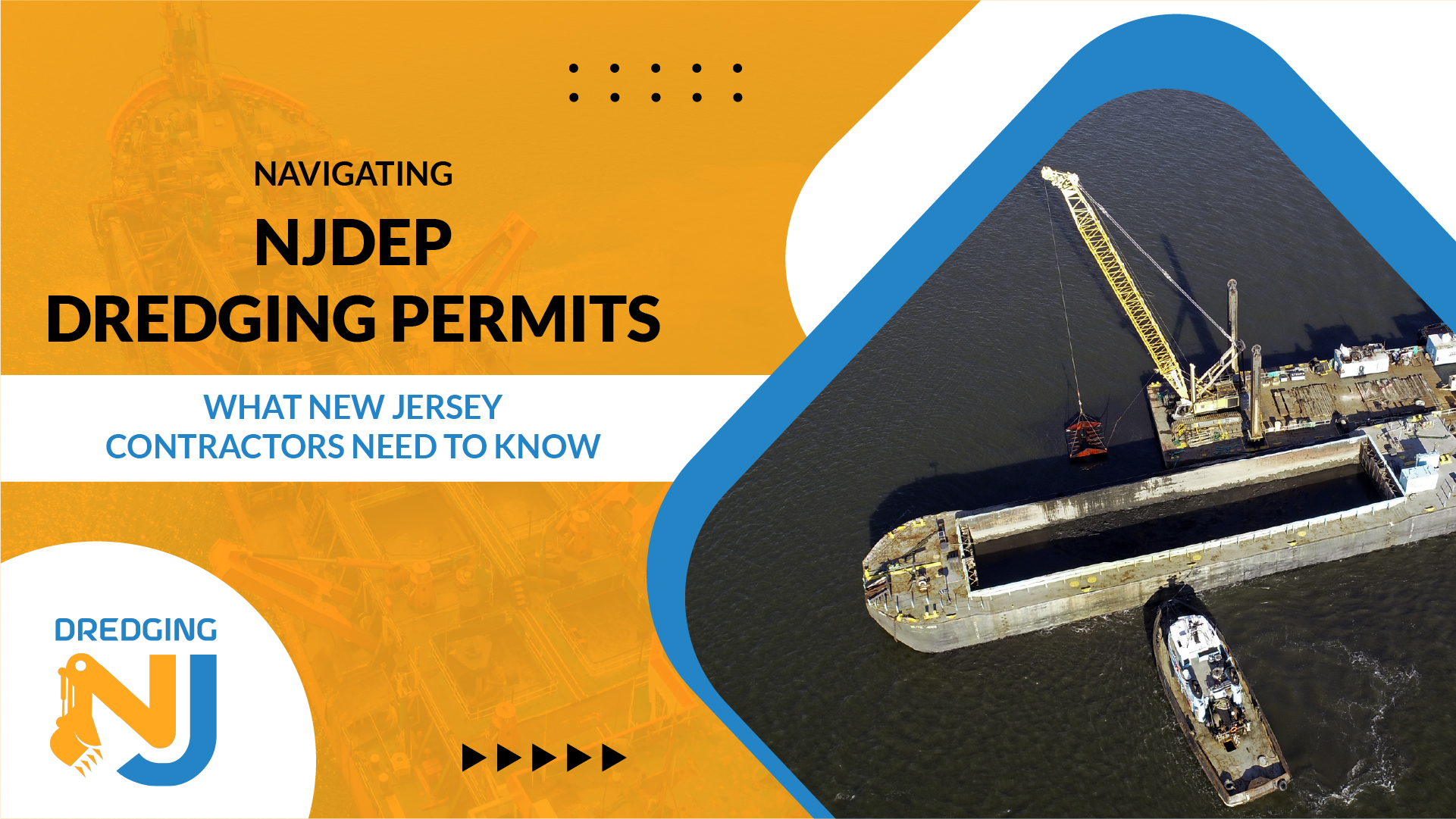
NJDEP dredging permits guide every aspect of dredging work throughout the state, shaping how projects are planned, approved, and executed in coastal and inland waterways. From the marinas of Monmouth County to the channels of the Delaware River and the shallow bays of Ocean County, New Jersey’s diverse marine environments require a permitting process that protects both the ecosystem and the communities that depend on these waters.
For contractors, municipalities, and private marina owners, understanding the rules behind these permits is essential not only for legal compliance but also for long-term project success. This guide explores how these permits work, how New Jersey dredging regulations influence every operational decision, and why strong compliance by dredging contractors is critical in a state with among the strictest environmental oversight in the nation. It also highlights that New Jersey Dredging Services fully complies with all applicable regulations, ensuring safe and responsible dredging across the state.
The Purpose and Significance of NJDEP Dredging Permits
New Jersey’s waterways support tourism, commercial shipping, recreational boating, fisheries, stormwater resilience, and ecosystem health. This means that uncontrolled or poorly executed dredging can quickly damage habitats, degrade water quality, or disrupt navigation. NJDEP dredging permits exist to ensure that all dredging activities protect the integrity of these waters. Whether a contractor is restoring depth in the Shrewsbury River, addressing shoaling in Cape May, or maintaining a marina in Point Pleasant, every project must adhere to a structured regulatory review.
The permit process examines the environmental effects of sediment removal and transport. It requires contractors to evaluate water impacts, sediment chemistry, turbidity levels, adjacent wetlands, aquatic species, and disposal methods. This thorough approach is the foundation of sustainable dredging in New Jersey and helps ensure that projects do not exacerbate erosion, harm fisheries, or introduce contaminants into sensitive areas.
How New Jersey Dredging Regulations Shape Project Planning
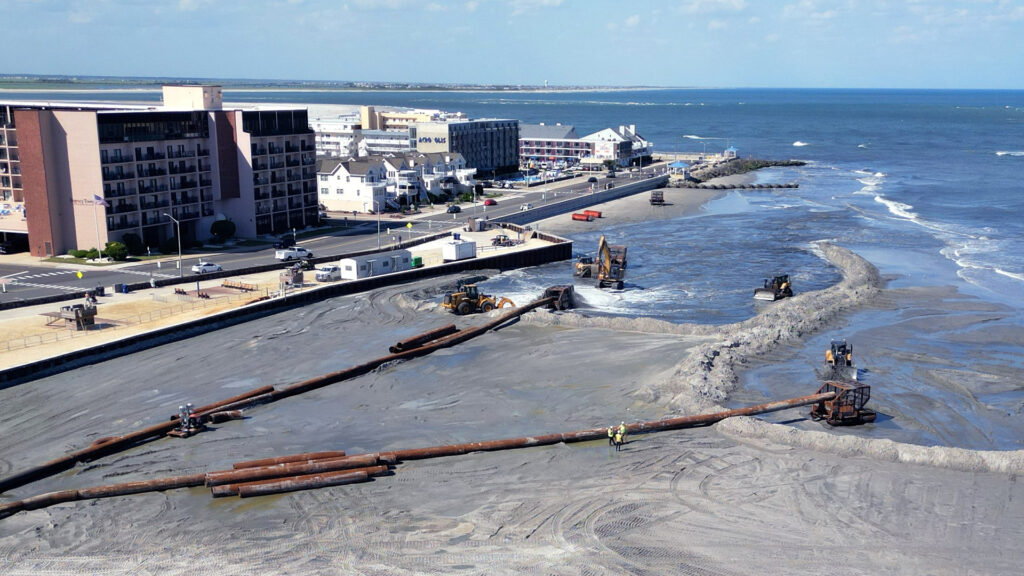
New Jersey dredging regulations are designed to ensure that dredging is performed responsibly. These regulations often evolve in response to scientific research, storm events, sea-level concerns, and coastal resilience initiatives. As a result, contractors must stay current with requirements and the scientific rationale behind them.
Sediment Sampling and Analysis
Before approval, all projects must undergo sediment testing. This is one of the most important components of the regulatory process because it determines how the removed material can be handled. Testing for metals, organic compounds, grain size, and other contaminants helps ensure that material unsuitable for open-water disposal is properly contained. In industrial regions like Newark Bay and Arthur Kill, sediment testing is particularly rigorous due to legacy contamination.
Seasonal Restrictions
New Jersey’s waters serve as migratory pathways for striped bass, spawning grounds for blue crabs, and habitat for shorebirds and sensitive species. Because of this, NJDEP often limits dredging to specific seasonal windows to minimize ecological disruption. Many tidal areas permit dredging primarily in winter months to protect fish and shellfish populations.
Water Quality Protection
New Jersey dredging regulations set turbidity limits to prevent excess suspended sediments from harming aquatic life or reducing light penetration in shallow bays such as Barnegat Bay. Contractors must use turbidity barriers or modify their excavation techniques to meet these standards.
Understanding the NJDEP Dredging Permit Application Process
Applying for NJDEP dredging permits involves technical preparation and detailed documentation. Missing information or incomplete plans often delay approvals, so accuracy is essential.
Preliminary Site Assessments
Contractors begin by reviewing site conditions, historical dredging records, water depths, and anticipated sediment volume. Hydrographic surveys and core samples help predict operational complexity and the magnitude of environmental impact.
Preparing the Application Package
A complete application generally includes engineering drawings, sediment sampling results, disposal plans, environmental analyses, and project timelines. When submitting for tidal waters, contractors must also document potential impacts on navigation, wetlands, and public trust areas.
Multi-Agency Coordination
In many coastal locations, state requirements integrate with federal standards. The US Army Corps of Engineers often conducts parallel reviews, and coordination between agencies is essential. This is especially important in federally maintained navigation channels along the Delaware River and the Atlantic Intracoastal Waterway. By following New Jersey dredging regulations closely, contractors can avoid conflicts between application requirements.
What Dredging Contractor Compliance Really Means
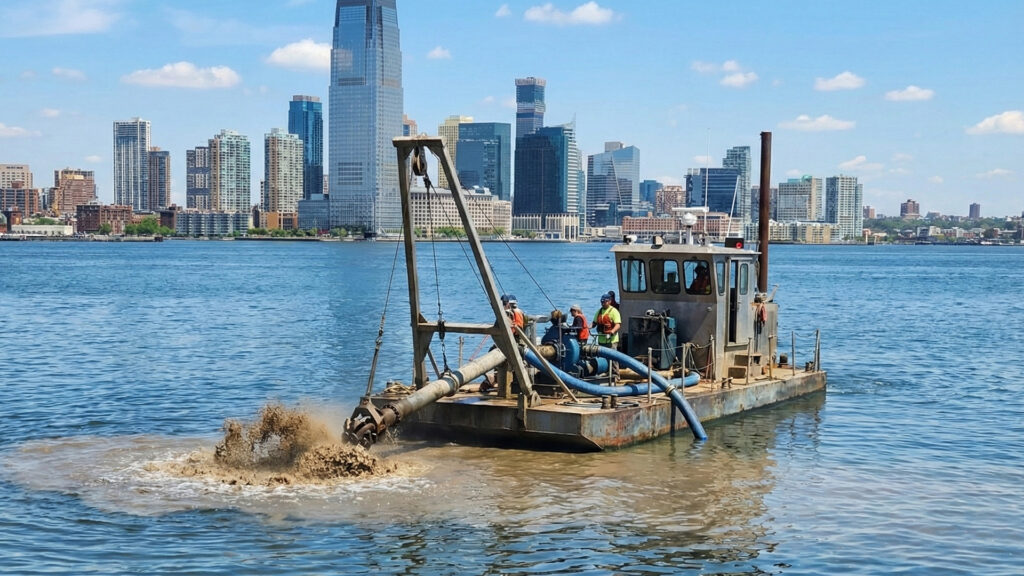
Meeting dredging contractor compliance requirements involves far more than obtaining a permit. The contractor must follow the approved plan throughout the project, monitor environmental performance, and maintain accurate documentation. Failing to do so can lead to fines, delays, site shutdowns, and legal consequences.
Environmental Controls on Site
Compliance includes maintaining silt curtains, controlling turbidity, tracking sediment volumes, documenting dredge depth, and following approved disposal or reuse protocols. For example, in shallow New Jersey marinas where eelgrass is present, contractors must use low disturbance equipment to protect this important habitat.
Reporting and Recordkeeping
Contractors must submit monitoring reports, sediment transport data, and disposal facility confirmations. Because New Jersey dredging regulations are strict, inspectors may visit sites to verify compliance. Accurate records protect the contractor, the client, and the ecosystem.
Managing Contaminated Sediment
In waterways affected by historic industrial activity, such as the Passaic River, contractors must follow specific containment and transport procedures. Proper disposal at approved facilities is part of dredging contractor compliance and essential for maintaining regulatory trust.
Local Conditions That Influence New Jersey Dredging Requirements
Geography, population density, and ecological diversity make New Jersey unique. The state contains tidal marshes, deep channels, freshwater reservoirs, industrial rivers, and shallow barrier island bays. NJDEP dredging permits account for all of these differences.
Coastal Bays and Marinas
Barnegat Bay, Manahawkin Bay, and Great Bay are sensitive ecosystems with slow water exchange. Dredging in these areas requires careful turbidity management and adherence to winter dredging windows.
Industrial Waterways
Northern New Jersey contains complex waterways near ports and manufacturing hubs. Sediment here may contain contaminants, and disposal regulations are strict.
River Systems
Rivers like the Raritan, Delaware, and Navesink have diverse flow patterns and multiple stakeholder groups. Projects must balance environmental needs with navigation, recreation, and stormwater concerns.

How New Jersey Dredging Services Ensures Full Compliance
Because dredging in New Jersey requires exceptional attention to procedural detail, partnering with an experienced provider makes a significant difference. New Jersey Dredging Services has developed a comprehensive approach to ensure compliance with NJDEP dredging permits at every stage of the project.
Knowledge of Local Regulations and Conditions
The team understands how New Jersey dredging regulations vary with geography, season, and environmental sensitivity. Their experience working in tidal back bays, salt marshes, industrial corridors, and freshwater lakes allows them to anticipate regulatory expectations before they arise.
Thorough Sediment Handling and Disposal Management
From sample collection to final disposal documentation, New Jersey Dredging Services follows every requirement linked to dredging contractor compliance. The company coordinates closely with testing laboratories, disposal facilities, and regulators.
Transparent Communication with Regulators
NJDEP reviewers often require clarification or supplemental information. The company maintains open communication with state and federal agencies, which helps streamline the approval process and reduce delays.
On Site Monitoring and Documentation
Environmental monitoring is essential for maintaining compliance. The company tracks turbidity, sediment movement, and dredge depth to ensure the project aligns with the permit terms.
How NJDEP Dredging Permits Affect Real World Projects
The effects of permits become clear when examining how dredging is carried out across different regions of New Jersey. Each project type comes with unique environmental challenges, operational demands, and regulatory expectations. NJDEP dredging permits provide the framework that allows essential dredging work to move forward while ensuring long term protection of the state’s waterways, coastal habitats, and communities.
Marina Maintenance in Monmouth and Ocean Counties
Shoaling is a recurring issue in popular boating areas such as the Navesink River, Shrewsbury River, and Barnegat Bay. Excess sediment limits boat access, reduces navigation safety, and disrupts the tourism economy that supports many local marinas. Through the guidance of NJDEP dredging permits, contractors can restore proper depth without disturbing sensitive ecosystems. These permits help ensure that eelgrass beds, shellfish resources, tidal marsh edges, and nearshore habitats are protected throughout the dredging process. As a result, marinas can operate efficiently while maintaining the ecological balance that makes the Jersey Shore unique.
Channel Deepening Along the Delaware River
The Delaware River is one of the most important commercial corridors on the East Coast. The permitting process ensures that channel deepening projects support shipping and industrial activity without compromising fish spawning areas, migratory pathways, or overall water quality. With proper oversight, navigation improvements can be completed while safeguarding ecological stability.
Inlet and Harbor Projects
Locations such as Manasquan Inlet, Barnegat Inlet, and Great Egg Harbor require careful sediment handling because of their strong tidal currents. NJDEP oversight ensures turbidity control, proper material placement, and balanced environmental impact.
Best Practices for Contractors Working in New Jersey
Contractors can significantly improve project performance by following a few core strategies that align closely with state expectations. These methods help reduce risk, accelerate permit approvals, and ensure that all work remains in full compliance with environmental requirements. New Jersey’s waterways are diverse and highly regulated, which means contractors must prepare thoroughly before beginning any dredging activity.
- Conduct sediment testing early to prevent project delays and to determine whether material is suitable for reuse, confined disposal, or specialized handling.
- Establish strong communication channels with regulatory agencies so that questions, revisions, and technical clarifications can be addressed quickly.
- Use equipment suited for environmentally sensitive areas to minimize turbidity, protect shoreline vegetation, and avoid unnecessary disturbance.
Although simple, these practices support efficient navigation of New Jersey dredging regulations and reduce the likelihood of compliance problems that could interrupt project schedules or increase costs.
The Environmental Benefits of Strong Compliance
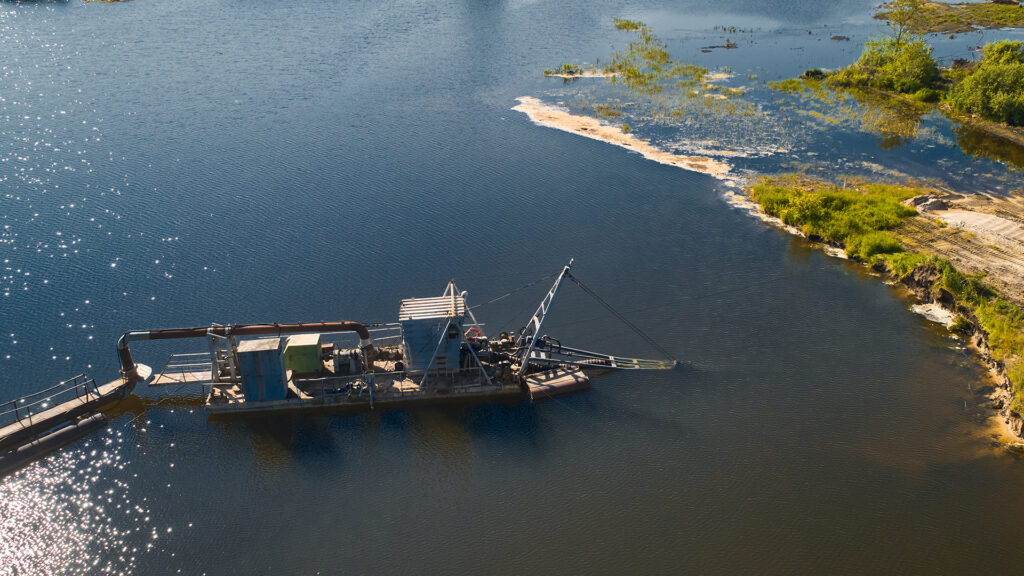
Strict adherence to NJDEP dredging permits plays a vital role in protecting New Jersey’s coastal and inland waterways. Proper sediment removal supports safe boating, improves navigation, restores water flow in tidal channels, and strengthens a community’s ability to manage stormwater and reduce flood risks. Environmental protections built into these permits also ensure that sensitive habitats remain undisturbed throughout the dredging process. Strong compliance achieves several important outcomes:
- Reduces turbidity by controlling suspended sediments during excavation.
- Protects shellfish beds that support both ecological health and local fisheries.
- Minimizes shoreline erosion through responsible dredging methods.
- Prevents contaminated material from entering wetlands, rivers, or bays.
When contractors follow all dredging contractor compliance requirements, they directly support New Jersey’s long term coastal resilience strategy. From the Meadowlands to the Delaware Bay, these efforts lead to healthier ecosystems, more stable shorelines, and waterways that remain safe and dependable for future generations.
Conclusion
Dredging in New Jersey is governed by a detailed regulatory framework designed to protect the environment, support navigation, and preserve the state’s coastal heritage. Understanding NJDEP dredging permits is essential for contractors who want to deliver safe and responsible results. With strict New Jersey dredging regulations, strong planning and execution become vital. Equally important is consistent dredging contractor compliance, which ensures that approved projects are performed correctly and with full respect for the environment.New Jersey Dredging Services stands out as a trusted expert in navigating this complex process. The company brings together technical skill, regulatory knowledge, environmental awareness, and professional execution. By following every rule associated with NJDEP dredging permits, they help clients move projects from concept to completion with confidence. Whether restoring a marina, clearing a navigation channel, or managing sediment safely, their commitment to compliance ensures long term success and protects New Jersey’s waterways for future generations.